Tottenham Hale Station to Hale Village: Local removal tips
Posted on 07/05/2026
Tottenham Hale Station to Hale Village: Local removal tips for a smoother move
Moving from Tottenham Hale Station to Hale Village looks simple on a map. In real life, though, short local moves can still create long days if the packing is rushed, parking is ignored, or bulky furniture is left until the last minute. The good news is that this route is compact, walkable in parts, and very manageable with the right plan. This guide breaks down practical local removal tips for anyone moving between Tottenham Hale Station and Hale Village, whether you are shifting a studio flat, a family home, or a few heavy pieces that need careful handling.
You will find clear steps, local moving considerations, packing advice, safety guidance, and a realistic look at when a local removals service in Tottenham Hale makes life easier. If you want fewer surprises on moving day, this is the right place to start.
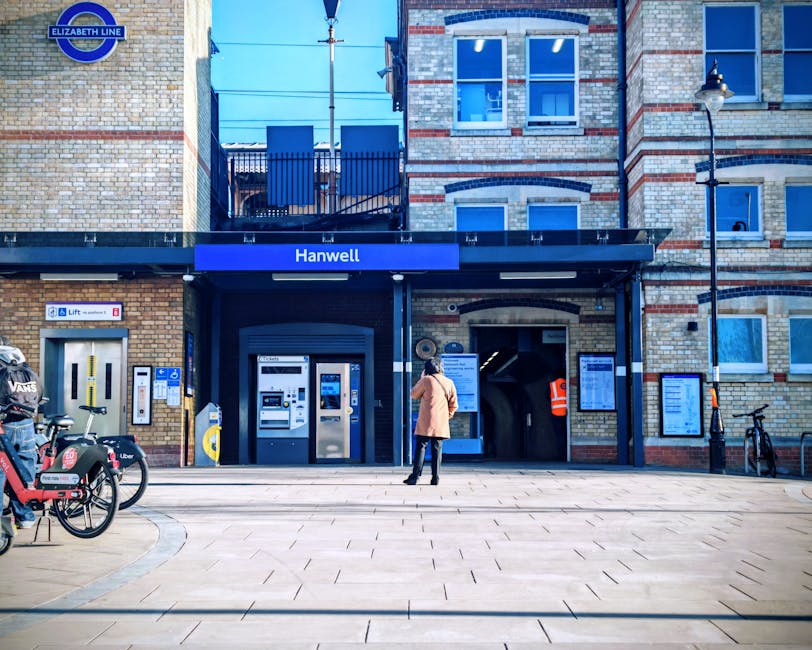
Why Tottenham Hale Station to Hale Village: Local removal tips Matters
Local moves often get underestimated because the distance is short. But even a move of a few streets can become awkward when there are stairs, tight access points, shared entrances, busy roads, lift bookings, or limited loading space. Tottenham Hale Station is a major transport hub, and Hale Village is a modern residential area where access, timing, and respect for neighbours matter just as much as muscle.
That is why local removal planning matters. A careful move reduces damage, saves time, and helps you avoid the classic "we thought this would only take an hour" situation. It also helps you stay calm. Truth be told, calm is underrated on moving day.
For many people, the move involves more than boxes. You may need to shift sofas, beds, white goods, office equipment, or fragile items that need better packing than a last-minute scramble allows. If that sounds familiar, reading about packing properly before a move can be a useful companion to this guide.
Why this short route has its own challenges
- Station-area traffic: roads around a transport hub can feel busier than expected.
- Resident access: apartment blocks and estates often need pre-planned entry or lift use.
- Parking pressure: a van may need a sensible loading spot, not just the nearest kerb.
- Time sensitivity: if your slot is narrow, packing efficiency becomes critical.
- Neighbour consideration: shared hallways and morning noise can become an issue quickly.
How Tottenham Hale Station to Hale Village: Local removal tips Works
A good local move follows a simple logic: prepare early, reduce what you carry, protect what matters, and make the route as predictable as possible. Between Tottenham Hale Station and Hale Village, this means thinking beyond the shortest walking line and focusing on practical movement.
Start by separating the move into three parts: what you are taking, how it will be packed, and how it will reach the new address. Each part affects the next. For example, if a sofa is not wrapped well, it may snag on a doorway. If you have not confirmed parking, the van may need to stop too far away. If you underestimate the load, one trip becomes four.
Local removals work best when the process is treated like a series of small decisions rather than one big event. That approach is especially useful in compact residential areas where timing and access can change the shape of the day.
A simple way to think about the move
- Audit the load: list every item that needs to move.
- Declutter first: reduce waste and avoid transporting items you no longer need.
- Pack by priority: essentials, fragile items, then bulky furniture.
- Confirm access: doors, lifts, stairs, parking, and any building rules.
- Move in a logical order: large items first, boxes second, essentials last.
If you want a stronger decluttering mindset before packing, this declutter-first approach is worth revisiting before you tape up a single box.
Key Benefits and Practical Advantages
Choosing a local, well-planned removal approach for this route has several practical advantages. The biggest one is control. Short moves can be completed efficiently if the process is organised properly, which means less time with doors open, less lifting in awkward bursts, and less risk of misplacing smaller items.
Another advantage is flexibility. If you are moving from Tottenham Hale Station to Hale Village, you may be dealing with a same-day handover, a student move, or a partial household relocation. Local planning helps you adapt without rebuilding the entire schedule from scratch.
Expert summary: The best local removals are rarely the fastest-looking ones at the start. They are the ones that are prepared, labelled, wrapped, and sequenced before the van arrives.
Practical benefits you will notice
- Lower damage risk: good packing and handling protect furniture and flooring.
- Better time use: fewer delays caused by forgotten supplies or access issues.
- Less physical strain: sensible lifting reduces injury risk and fatigue.
- Cleaner handover: organised packing makes it easier to leave the old place tidy.
- Less stress: a clear process helps you avoid decision overload.
If your move involves larger items, the difference is even more noticeable. For instance, a bed frame or sofa can be handled far more cleanly when you use proper wrapping and disassembly. Helpful background on this is available in the guides on moving beds and mattresses safely and protecting sofas in storage.
Who This Is For and When It Makes Sense
This kind of local removal planning suits a wide range of people. It is not only for large family homes. In fact, short urban moves often involve smaller properties where access is tighter and the need for precision is higher.
It makes sense if you are:
- moving from a flat near Tottenham Hale Station into Hale Village
- relocating within the same neighbourhood and want to save time
- handling a student move with limited furniture
- moving a shared household and need separate box labelling
- transferring business items or office equipment locally
- dealing with bulky pieces such as sofas, beds, wardrobes, or a piano
It also makes sense if you are doing the move in stages. Many people collect boxes over a few days, then move furniture on one carefully planned date. That is perfectly normal, and often easier than trying to move everything in one rushed wave.
If your move is more compact or budget-aware, the service pages for man and van support in Tottenham Hale and flat removals in Tottenham Hale can help you decide what sort of assistance matches the job.
Step-by-Step Guidance
Here is a practical route you can follow without making the process more complicated than it needs to be.
1. Measure the job properly
Start with the basics: what is moving, how big is it, and how awkward is it to handle? Measure wider items and note any items that need disassembly. A wardrobe that fits in the room may still be tricky in the hallway. That sort of detail matters.
2. Check access at both ends
Look at lift availability, stair width, door clearance, and whether parking is realistic for a van. If you live in a building with shared spaces, check any booking rules. A five-minute confirmation now can save a frustrating delay later.
3. Sort and declutter
Move only what you actually need. Old cables, broken storage boxes, duplicate kitchenware, and mismatched extras often add weight without adding value. Decluttering also makes your packing faster and your arrival cleaner. A good place to start is this practical decluttering guide.
4. Pack by room and fragility
Room-based packing keeps unpacking manageable. Fragile items should be cushioned and labelled clearly. Put essentials like chargers, medication, kettle items, and toiletries in a separate "first night" box.
5. Prepare large items separately
Disassemble what can be safely taken apart. Keep screws and fittings in labelled bags taped to the correct item or placed in a clearly marked parts box. For large upholstered items, use covers or wrap them well to avoid marks in narrow hallways.
6. Plan the loading order
Load heavier furniture first, then stable boxes, then fragile items where they will not be crushed. If the unload point is more awkward than the loading point, plan for that too. A move is only as smooth as its least convenient door frame.
7. Do a final sweep
Before leaving, check cupboards, behind doors, under beds, on windowsills, and in charging areas. A surprising number of move-day mishaps are simply forgotten items. For a cleaner exit, it helps to review pre-move cleaning tips.
Expert Tips for Better Results
Small improvements make a real difference in local removals. These are the kinds of details people often skip when they are busy, but they are exactly what turn a tiring move into a manageable one.
- Use colour-coded labels: one colour per room speeds up unloading.
- Protect corners: table edges, mirrors, and wardrobes are vulnerable in tight hallways.
- Keep essential tools visible: tape, scissors, a marker, and a screwdriver should not disappear into a random box.
- Wrap mattresses properly: they pick up dirt faster than people expect.
- Break down the last-minute pile: loose items create delays and clutter the van.
For heavier lifting, do not rely on enthusiasm alone. Good lifting technique matters. If you want to understand why body position and load control matter, this explanation of kinetic lifting is a useful read.
And if you are moving without much help, think carefully before lifting anything truly awkward on your own. Some items look manageable until you have to turn a corner with them. The article on moving heavy objects safely on your own is a sensible reminder that technique matters more than bravado.

Common Mistakes to Avoid
Most moving problems are predictable. That is the good news. The slightly annoying news is that they are also very easy to repeat if you are rushing.
The biggest avoidable mistakes
- Leaving packing too late: last-minute packing leads to weak boxes and poor organisation.
- Ignoring access rules: forgetting parking or building restrictions causes preventable delays.
- Overfilling boxes: heavy boxes are harder to carry and more likely to split.
- Skipping labels: unlabeled boxes slow down unloading and unpacking.
- Not protecting furniture: scrapes and dents happen quickly in narrow spaces.
- Moving awkward items alone: this is where damage and injury often begin.
Another common mistake is assuming storage or appliance preparation can wait until after the move. If a freezer, sofa, or mattress is going into storage or being kept unused for a while, it needs proper preparation now, not later. You can compare good practices in freezer storage guidance and mattress moving advice.
Tools, Resources and Recommendations
You do not need a warehouse full of equipment, but you do need the right basics. Good tools make local removals safer, tidier, and much less frustrating.
Useful moving essentials
- strong double-walled cardboard boxes
- packing tape and a tape dispenser
- permanent marker for labels
- bubble wrap or paper cushioning
- furniture blankets or thick covers
- ratchet straps or tie-downs for van loading
- gloves with a good grip
- basic tools for dismantling furniture
- door stop wedges for easier handling
- floor protection for entrances and halls
For supplies, a dedicated pack-and-boxes service can save time if you do not want to source everything yourself. See packing and boxes support in Tottenham Hale Hale for a practical service option, or review packing strategies for relocation if you prefer to self-pack.
If you are storing items before settling in fully, use a proper storage plan rather than stacking items randomly. The advice on safe freezer storage and local storage options may be useful.
Law, Compliance, Standards, or Best Practice
Most local domestic moves do not involve complex legal issues, but there are still sensible standards to follow. If you are using a removals provider, look for clear terms, adequate insurance, sensible handling practices, and transparent communication. Good businesses also keep their safety policies and complaints procedures visible, which is generally a sign that they take service seriously.
In the UK, the practical expectation is straightforward: items should be handled with reasonable care, vehicles should be loaded safely, and access should be managed in a way that does not create unnecessary risk. For your own move, basic best practice includes:
- checking whether you need permission for parking or loading
- protecting communal areas from scuffs and damage
- making sure boxes are not too heavy to carry safely
- keeping pathways clear while items are being moved
- following manufacturer guidance for sensitive items such as appliances
If you want to review service information and trust pages before booking, it can be useful to read insurance and safety information, health and safety guidance, and the terms and conditions. Those pages help set expectations before moving day.
For environmentally mindful moves, waste reduction and reuse matter too. If you can donate, recycle, or reuse packing materials, you reduce the amount of unnecessary waste created by the move. That is one of those small choices that quietly adds up.
Options, Methods, or Comparison Table
There is no single best way to move locally. The right method depends on volume, budget, access, and how much heavy lifting you are prepared to do yourself.
| Method | Best for | Strengths | Limitations |
|---|---|---|---|
| DIY move with a hired van | Small loads and flexible schedules | Lower cost, full control, good for simple moves | You handle packing, lifting, parking, and timing |
| Man and van service | Flat moves, student moves, partial household moves | Helpful for lifting and transport, often faster locally | May still require your packing to be ready |
| Full removals service | Larger homes, fragile items, difficult access | More support, better coordination, reduced physical strain | Usually the most expensive option |
| Split move with storage | Staged moves or temporary gaps between homes | Flexible timing, useful for renovation or delayed handover | Requires more planning and storage coordination |
If you are not sure which route fits your situation, the service overview at services overview for Tottenham Hale is a sensible starting point. If you are comparing move size and layout, house removals support and flat removal options can also help you judge the right level of assistance.
Case Study or Real-World Example
Imagine a one-bedroom move from an apartment near Tottenham Hale Station into Hale Village. The household includes a bed, mattress, sofa, dining table, television, kitchen boxes, clothes, and a couple of fragile decorative pieces. Nothing unusual. Nothing outrageous. And yet this sort of move can still unravel if it is handled casually.
In a sensible version of the move, the resident begins packing several days ahead, separates essentials, disassembles the bed frame, wraps the sofa corners, and labels boxes by room. A van is arranged for a loading window that avoids peak disruption. Parking is checked in advance, and the hallway is protected while furniture is carried out. The move is then completed in one steady run rather than in a series of panicked trips.
The difference is not magic. It is preparation.
If the move included a piano or other difficult item, that would be a clear point where professional support becomes more attractive. For a reality check on risk and handling, see why piano moving is best left to professionals and the hidden costs of DIY piano moving.
Practical Checklist
Use this checklist to keep your move from Tottenham Hale Station to Hale Village on track.
- Confirm your moving date and time window
- Check access, stairs, lifts, and parking at both addresses
- Measure large furniture and note anything that needs dismantling
- Declutter before packing begins
- Gather boxes, tape, labels, covers, and tools
- Pack room by room and label clearly
- Wrap fragile and high-value items properly
- Prepare a first-night essentials box
- Protect floors, walls, and door frames where needed
- Keep documents, keys, chargers, and medication separate
- Load the van in a planned order
- Do a final walk-through before leaving
- Set aside cleaning materials for the old property
- Unpack essentials first on arrival
If you want the move-out to end as neatly as it began, the advice in move-out cleaning solutions and pre-moveout cleaning guidance is worth keeping close.
Conclusion
A local move from Tottenham Hale Station to Hale Village may look short, but short moves reward good planning. When you treat access, packing, lifting, and timing as part of one joined-up process, the day becomes far easier to manage. You protect your belongings, reduce stress, and avoid the small errors that cause the biggest headaches.
The most reliable approach is simple: declutter early, pack carefully, check access, and choose the right level of help for the items you are moving. That might mean a light self-move, a man and van option, or a fuller removals service for bulky or fragile possessions. Either way, local knowledge and practical preparation will save you time.
If you are comparing moving support, storage, or packing help around Tottenham Hale, the next step is to look at the available services and choose the setup that fits your property, your timeline, and your comfort with lifting.
Get a free quote today and see how much you can save.