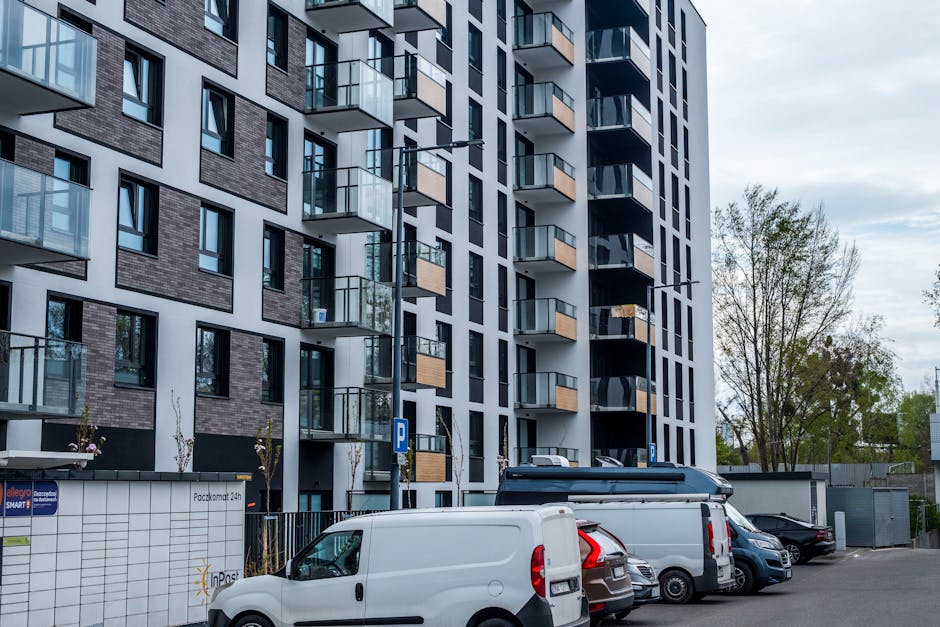
Tottenham Hale Retail Park Van Access Guide for Local Removals
If you are planning a move in or around Tottenham Hale, the tricky bit is rarely the lifting. It is usually the access. The Tottenham Hale retail park van access guide for local removals below is designed to help you avoid the usual headaches: tight turning space, awkward loading points, delivery bays that fill up quickly, and the kind of last-minute delays that turn a straightforward job into a long morning.
Whether you are moving a flat nearby, collecting a bulky sofa, or organising a small office move, good access planning saves time, money, and a fair bit of stress. And to be honest, the difference between a smooth removal and a messy one is often just a few sensible decisions made before the van even arrives.
This guide explains how access typically works at retail park sites, what local removals teams should check before arriving, which vehicle sizes tend to suit the area, and how to prepare your load so the day runs properly. You will also find a checklist, a comparison table, and a realistic example based on the sort of jobs people do around Tottenham Hale every week.
Expert summary: the best local removals near Tottenham Hale retail park are the ones that treat access as part of the job, not an afterthought. Know your van size, confirm where loading can happen, keep timing flexible, and make sure your crew can move quickly once they are on site. Simple, really. Not always easy, but simple.
Contents
- Why Tottenham Hale retail park van access matters
- How van access works in practice
- Key benefits and practical advantages
- Who this is for and when it makes sense
- Step-by-step guidance
- Expert tips for better results
- Common mistakes to avoid
- Tools, resources and recommendations
- Law, compliance, standards and best practice
- Options, methods and comparison table
- Case study or real-world example
- Practical checklist
- Conclusion
- Frequently asked questions
Why Tottenham Hale retail park van access guide for local removals Matters
Retail parks are designed for commercial traffic, but that does not mean every arrival is easy. In a busy area like Tottenham Hale, the loading and unloading flow can change throughout the day depending on shopper traffic, deliveries, and general parking demand. If you arrive without a plan, you may end up circling the site, blocking a bay, or carrying items much further than expected.
That matters for local removals because every extra minute on site can affect the whole booking. A small removal van might be fine for a one-bed flat, but if the access point is narrow or the loading bay sits a long walk from the entrance, suddenly the job is slower than you budgeted for. In our experience, this is where good planning saves the day.
It also matters for safety. Vans parked badly can create blind spots for pedestrians and other drivers. Heavy items moved through a crowded car park increase the chance of knocks, slips, or rushed lifting. No one wants to be the person trying to push a wardrobe trolley across a forecourt while a queue builds behind them. Bit of a scene, that.
For people comparing removal options, access planning is often the hidden difference between services that just "turn up" and services that actually help the move go smoothly. That is why many customers look at broader support too, such as man and van help in Tottenham Hale, full removal services, or even local movers when the job needs a more hands-on approach.
How Tottenham Hale retail park van access guide for local removals Works
Van access at a retail park is usually about three things: where you can enter, where you can stop, and how long you can stay there without causing a problem. Sounds basic, but each of those points can go wrong if you assume the site works like a normal residential street.
First, you need to think about vehicle size. A long wheelbase van may carry more, but it can be awkward in tighter corners or busier bays. A medium van is often easier to place quickly, especially if you are collecting from a retail unit with limited frontage. If your move includes furniture or boxed belongings, the right van size matters as much as the route itself.
Second, loading access may be shared with customers, service vehicles, or staff parking. That means timing is part of access. Early morning slots are often calmer than mid-afternoon, though that depends on the day and local footfall. If your removal is small and quick, that can be ideal. If you are moving multiple items, you may want more room to manoeuvre and a bit of patience from everyone involved.
Third, the route from the van to the premises matters. A short, level walk is one thing. A route with kerbs, uneven paving, or a busy crossing is another. A local removals team should be ready for both. This is where a man with van service can work well for straightforward loads, while larger or more complex jobs may suit house removals or office removals.
Think of access as part logistics, part timing, part common sense. If you get those three things right, the rest is mostly just careful lifting and decent communication.
Key Benefits and Practical Advantages
Good access planning around Tottenham Hale retail park gives you more than convenience. It improves the whole removal process in ways people often only notice when something goes wrong.
- Less waiting time: the van arrives, parks properly, and the crew gets to work without wasting time looking for a spot.
- Safer handling: shorter carrying distances reduce the chance of dropped items, trips, and rushed turns.
- Better scheduling: if you know access in advance, the booking length is easier to estimate honestly.
- Lower stress: fewer unknowns means fewer surprises. Which, let's face it, is exactly what you want on moving day.
- Improved vehicle choice: once access is clear, you can choose the right van rather than guessing and hoping.
For local customers, another practical advantage is flexibility. A properly planned small removal can often fit neatly around work, school runs, or retail park traffic patterns. That is especially useful if you are moving from a nearby flat, collecting furniture, or arranging a same-day furniture pick-up.
And for businesses, access planning supports smoother commercial moves. If a retail unit, small office, or stock room needs clearing, you can reduce disruption by using the right vehicle and loading approach. If that sounds like your situation, it may be worth looking at commercial moves or office relocation services.
Who This Is For and When It Makes Sense
This kind of guide is useful if you are doing almost any move that touches the Tottenham Hale area and involves vehicle access near a retail park. That includes more people than you might first think.
You may need it if you are:
- moving into or out of a nearby flat or maisonette
- collecting furniture from a retailer or storage point
- moving a small office or studio space
- working with a landlord, letting agent, or building manager who wants the van kept to a timetable
- arranging a quick local delivery that still needs secure loading
- choosing between a small van, a larger removal van, or a truck hire option
It also makes sense if you are trying to keep the job cost-effective. A smaller move does not necessarily need a full-scale removals team, but it still benefits from good planning. Sometimes people assume a van job will be simple because the distance is short. Then the access turns out to be the real challenge. Happens all the time.
If you are unsure which type of service fits, compare removal van options with van-based removals and, where needed, broader removal company support. The right choice usually depends on load size, urgency, and how awkward the access is.
Step-by-Step Guidance
Here is the practical way to approach a local removal near Tottenham Hale retail park without overcomplicating it.
- Measure what you are moving. Write down the bulky items first: sofa, mattress, wardrobe, desk, white goods, boxes. If you only estimate by eye, you will probably underestimate. Human nature, really.
- Check the van size against access. A bigger van is not always better. If the site has tight corners or limited standing room, a more compact vehicle can be faster and safer.
- Confirm the loading point. Decide exactly where the van should stop and how items will be carried to and from the building.
- Plan the timing. Avoid peak congestion if possible. A calmer slot usually means better access and less pressure from other vehicles.
- Protect the route. Make sure internal walkways, entrances, and lift areas are clear. If the move involves stairs, keep them free of loose items.
- Prepare the goods before the van arrives. Dismantle furniture where practical, label boxes, and keep smaller loose items together.
- Brief everyone involved. If family, staff, or building managers are helping, make sure they know the plan. Even a 30-second briefing helps.
- Load in a sensible order. Heavy, stable items first; fragile items secure and separated; boxes stacked to stop movement in transit.
- Leave a little margin. If traffic or site access slows things down, do not panic. A bit of breathing room helps more than most people expect.
If your move needs packing help as well, packing and unpacking services can save a lot of fiddly work, especially with mixed household loads and delicate items.
Expert Tips for Better Results
The best access planning is usually the boring kind. No drama, no improvising, no heroic last-minute parking manoeuvres.
Tip 1: Ask about the access before the booking is final. This sounds obvious, but many people only mention the van after they have booked it. Say whether there is a barrier, a loading bay, a basement entrance, or a restricted turning circle. Those details change the job.
Tip 2: Keep the route as short as possible. If you can move the van closer safely, do it. If you can open doors, gates, or shared access points before arrival, even better. The less distance you carry, the less likely things go sideways.
Tip 3: Use the right kind of trolley or sack barrow. For boxed items, appliances, and heavy furniture, the right moving equipment is a proper time saver. A wobbly trolley on uneven paving is not the vibe, frankly.
Tip 4: Separate fragile and awkward items early. Mirrors, lamps, TVs, and glass-top tables should not be treated like loose filler. Keep them apart, label them clearly, and load them where they can be protected.
Tip 5: Build the job around the site, not the other way around. If the retail park is busy at lunch and quiet at 8am, schedule around that. If your building has lift access only at specific times, work with that reality rather than fighting it.
Tip 6: Choose a provider with clear standards. It helps if the removals team follows sensible safety and payment practices, especially for local jobs where things can move quickly. You can review details such as health and safety policy information, insurance and safety guidance, and payment and security before you commit.
Common Mistakes to Avoid
People rarely get access wrong because they do not care. More often, they get it wrong because they assume the route will be obvious on the day.
- Using a van that is too large: more capacity sounds useful until the vehicle is awkward to park and unload.
- Not checking opening times: a retail park may have practical access windows that differ from shopping hours.
- Forgetting about height restrictions: low barriers and canopies can catch taller vehicles out.
- Blocking other vehicles: even a short stop in the wrong place can create avoidable delays.
- Leaving packing until the last minute: if boxes are not ready, the van sits idle and the booking stretches.
- Ignoring weather: rain, icy patches, or wind can slow loading more than people expect.
- Failing to confirm the route to the property: especially in mixed-use areas, the easiest walking path is not always the shortest one.
One small mistake can snowball. A van parked 20 metres too far away turns into an extra half-hour carrying awkward items. A forgotten lift booking turns into waiting outside with a mattress. You know the type of thing.
Tools, Resources and Recommendations
You do not need a huge toolkit for a local retail park removal, but a few useful items make access easier and safer.
| Tool or resource | Why it helps | Best for |
|---|---|---|
| Furniture blankets | Protects items during loading and short carries | Furniture, desks, appliances |
| Straps and ties | Stops movement in transit and keeps tall items stable | Mixed household loads |
| Two-wheel or four-wheel trolley | Reduces manual lifting and speeds up longer carries | Boxes, drawers, white goods |
| Labels and marker pens | Makes unloading faster and less chaotic | Home and office removals |
| Floor protection | Helps protect building entrances and hallways | Flats, shops, offices |
| Measured van estimate | Matches vehicle size to the job properly | Anyone comparing removals options |
For many readers, the most useful recommendation is simply to choose a removals partner that can adapt. A flexible local team can handle a straightforward van job one day and a more complicated house move the next. That is where home moves, house removals, and man and van removals all have their place, depending on the size and shape of the move.
Law, Compliance, Standards and Best Practice
For local removals, the main compliance concerns are usually practical rather than highly technical. Still, they matter. Vehicles must be parked responsibly, loading must not create unnecessary danger, and anyone moving heavy items should work in line with sensible manual handling practice.
In the UK, moving work is generally expected to follow normal health and safety principles: avoid rushing, use the right equipment, and reduce the risk of injury wherever possible. That might sound dry, but it is the difference between a smooth job and a strained back on a Friday afternoon.
Best practice also includes checking that the removals provider is transparent about insurance, service terms, and what happens if access turns out to be different from expected. That is especially relevant for customers using removals near me searches, where the cheapest quote is not always the wisest one.
If you are arranging a business move, you may also want the team to respect site rules, building management instructions, and any local loading restrictions. For larger or multi-stop jobs, choosing a provider with clear operational standards helps keep everything neat and professional. The same goes for recycling and responsible disposal, where appropriate, as part of a well-run move.
Nothing flashy here. Just careful work, proper planning, and a sensible respect for the site and the people around it.
Options, Methods, and Comparison Table
Different jobs call for different vehicle and service choices. Here is a simple comparison to help you match the access situation to the right method.
| Option | Best for | Pros | Watch-outs |
|---|---|---|---|
| Small van | Light loads, single rooms, quick collections | Easier to park and place near retail park access points | Limited capacity; may need extra trips |
| Medium removal van | Typical flat moves, mixed furniture | Good balance of capacity and manoeuvrability | Still needs decent access planning |
| Larger moving van | Bulkier moves, more boxes, larger household loads | Fewer trips, more efficient loading | Can be harder to position in busier or tighter areas |
| Man and van service | Local, flexible jobs with hands-on help | Practical for quick loading and short-distance removals | May not suit very large or complex jobs |
| Full removal service | Whole-property or business moves | More support, better for organised relocation days | Usually more planning required |
If your move is mainly a collection or a few bulky items, furniture pick-up may be enough. If it is a full house or office job, a broader removals setup is usually smarter. And if you want the vehicle, loading, and handling all tied together neatly, you may want to compare moving van options with moving truck hire for bigger loads.
Case Study or Real-World Example
Picture a typical weekday move: a couple are leaving a one-bedroom flat a short drive from Tottenham Hale retail park. They have a sofa, a bed, six boxes of books, kitchen items, and two awkward plants they insist are "fine in the back seat" until, of course, they are not.
The first plan is to use a large van and park close to the entrance. That sounds efficient, but the access point is busier than expected. Instead, the smarter move is to use a medium van, arrive slightly earlier, and unload in stages. One person carries, one person guides, and the heavier pieces stay protected with blankets and straps.
What made the difference? Not speed. Access.
Because the team checked the approach in advance, they avoided blocking the wrong bay, they kept the route short, and they did not waste time wrestling a vehicle into a tight space. The job finished calmly, without the kind of panic you sometimes get when everyone is trying to be helpful at once. That little bit of planning saved time and made the day feel manageable.
The same pattern applies to office work too. A small retail unit or studio move can go smoothly if the loading arrangement is clear. For that kind of job, office removals and commercial moves can be much easier when access is mapped out before the van arrives.
Practical Checklist
Use this before the van turns up. It is a simple one, but it catches most of the avoidable problems.
- Measure the largest items and note any awkward shapes
- Confirm van size and make sure it suits the access route
- Check where loading is allowed and where it is not
- Agree a meeting point if the site is busy
- Keep entrances, hallways, and stairwells clear
- Label boxes by room or priority
- Wrap fragile items properly
- Use straps, blankets, or trolleys where needed
- Tell building staff or household members the moving plan
- Review insurance, payment, and terms before the day
- Allow a little extra time in case access is slower than expected
If you are still deciding who should handle the job, a quick look at pricing and quotes can help you compare the likely fit between a light van job and a more complete removals package.
Get a free quote today and see how much you can save.
Conclusion
Van access around Tottenham Hale retail park is not complicated once you treat it as part of the move rather than a detail to sort out later. The best results usually come from simple habits: pick the right vehicle, confirm the loading point, keep the route clear, and allow for the busy reality of a retail park environment.
That approach works whether you are moving a few pieces of furniture, a whole flat, or a small business setup. It is not about overplanning. It is about avoiding the avoidable.
If you are preparing a local removal, think in terms of access first, lifting second, and speed third. Do that, and the day tends to feel much more manageable. Sometimes that is all it takes. A calm start, a clear route, and a van parked in the right place.
And honestly, that is a decent way to move anything.
Frequently Asked Questions
What is the best van size for Tottenham Hale retail park access?
The best van size depends on your load and the space available to load safely. For smaller collections or single-room moves, a medium or small van is often easier to place and quicker to unload. For larger household loads, a removal van may be more efficient, but only if the site access can handle it comfortably.
Can a removals team park right outside the retail park unit?
Sometimes yes, but not always. It depends on the exact loading point, the time of day, and how busy the site is. A good removals plan assumes that the closest space may not be available, so there should always be a backup approach.
How early should I book a van for a local removal?
As early as possible if you want the best choice of vehicle and timing. For local jobs, even a short lead time can help avoid awkward slots. If the move is flexible, early morning is often easier for access, though every site is different.
Is a man and van service enough for a retail park collection?
Often, yes. A man and van service can be ideal for furniture collections, small flat moves, and short-distance transport. If the load is larger or the access is awkward, though, a fuller removals service may be better.
What should I tell the driver before arrival?
Tell them about access restrictions, loading bays, barriers, stairs, lift availability, and anything bulky or fragile. The more accurate the information, the easier it is to plan vehicle size and arrival time properly.
Do I need packing help for a local removal?
Not always, but packing help can save time if you have fragile items, lots of boxes, or limited time before moving day. Packing and unpacking services are particularly helpful when the move has a lot of small items that need organising.
What are the common access problems near retail parks?
The most common problems are limited parking, busy customer traffic, awkward loading distances, and vehicles being too large for the available space. Weather and timing can make those problems worse, especially at busier periods.
How do I know whether I need a moving van or moving truck?
If you have a modest load and local access is tight, a moving van is usually the safer bet. If you have a larger household or business load and enough space to position the vehicle, a moving truck may reduce the number of trips. The right answer depends on both volume and access, not just the number of boxes.
Is this kind of move suitable for office relocation?
Yes, especially for small offices, studios, or retail back-room clearances. For larger or more structured business moves, office relocation services are often the better choice because they support planning, timing, and equipment handling more fully.
What documents or checks should I review before booking?
It is sensible to review service terms, payment details, insurance cover, and safety guidance before confirming the booking. For peace of mind, you can also look at the provider's standards around terms and conditions, insurance and safety, and payment and security.
Can this guide help with home removals outside retail park settings too?
Absolutely. The same thinking applies anywhere access matters: flats, terraces, apartments, offices, and mixed-use buildings. The specific site may change, but the principles stay the same: measure, plan, confirm, and keep the route clear. That is the quiet little formula behind most smooth moves.
Where should I start if I am comparing local removal options?
Start by matching the vehicle and service level to the actual job. Then compare what is included, how access is handled, and whether the provider is transparent about pricing and safety. If you need a broader search, removals near me is a sensible starting point, but always check the fit for your exact access situation.