N17 parking restrictions and loading zones for removals
Posted on 29/07/2026
N17 parking restrictions and loading zones for removals: a practical guide for smoother move day
Moving in Tottenham Hale sounds simple until the van turns up and the kerbside space has disappeared, a loading bay is already full, or a restriction bites at exactly the wrong time. That is where N17 parking restrictions and loading zones for removals become more than a side issue. They shape how quickly your team can load, whether furniture stays dry on the pavement for too long, and how much stress the day creates. If you are planning a flat move, a house move, or a quick same-day job, understanding the parking picture early can save you a lot of hassle. Honestly, it can be the difference between a smooth lift-out and a long, awkward wait.
This guide breaks down what those restrictions mean in real life, how loading zones are usually used during removals, what mistakes people make, and how to plan a move in N17 without guessing. It also covers practical preparation, compliance, and the sort of small details that often get missed until the van is already idling at the kerb. Nobody needs that kind of morning.
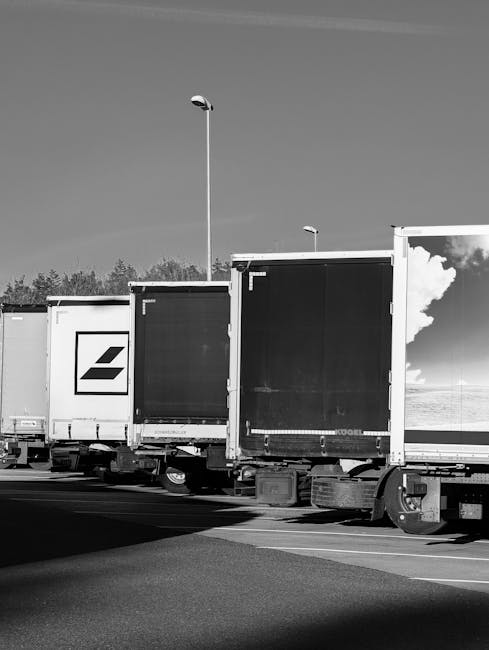
Why N17 parking restrictions and loading zones for removals Matters
Parking in N17 is not just a matter of finding a free space. In a busy part of north London, kerb space is often contested, time-limited, or reserved for specific uses. For removals, that creates a practical problem: the job needs the van close to the property, preferably for long enough to move heavy items safely and efficiently. If the van has to park too far away, every box, mattress, wardrobe, and dismantled table turns into extra walking, extra time, and extra fatigue.
There is also a financial side. A poor parking plan can lead to delays, penalty notices, frustrated neighbours, and crew time wasted on manoeuvring instead of moving. Even when the move itself is straightforward, parking uncertainty can throw the day off balance. You will notice it most on tighter streets, shared estates, and roads where access is narrow or heavily used. In Tottenham Hale, that can happen very quickly.
Loading zones matter because they are designed to support short-term stopping for active loading and unloading. That sounds simple, but the small print can be fussy, and the wrong assumption can create a problem. A zone that looks usable may have time windows, vehicle limits, or nearby restrictions that affect whether a removal van can stay there. Best to check in advance rather than discovering the hard way.
Expert summary: The smartest removal plans in N17 are not just about the right van or the right crew. They are about kerb access, timing, and knowing where loading is genuinely allowed.
How N17 parking restrictions and loading zones for removals Works
The basic idea is straightforward: some roadside spaces are restricted, some are reserved, and some are available only for loading at specific times. In practical removal terms, you need to know whether your van can stop briefly, how long it can stay, and whether active loading is enough to justify the stop. That distinction matters. Parking and loading are not always treated the same way.
In busy streets around Tottenham Hale, you may encounter a mix of controlled parking bays, single yellow line restrictions, double yellow lines, permit-only sections, and dedicated loading areas. For removals, the critical question is not just "Can we stop here?" but "Can we stop here legally for the length of the load?" Sometimes the answer is yes for a short period. Sometimes it is no unless special arrangements are in place.
Loading zones, where available, can be a great help. They are intended for commercial activity such as deliveries and removals, but their rules can still be tightly defined. Some allow short stays only. Some apply only at certain times. Some are shared with other users and may already be occupied. So the van may still need a Plan B. To be fair, that is normal in London. It is not the postcode being difficult; it is just London being London.
When planning a move, think of the parking setup in layers:
- Immediate kerb access: how close the van can get to the door.
- Loading legality: whether stopping there is allowed for active loading.
- Time pressure: how long the van can remain without causing issues.
- Traffic flow: whether stopping there blocks buses, residents, or passing vehicles.
- Safety: whether people can move furniture without crossing dangerous gaps or narrow pavements.
The calmer the access plan, the easier the rest of the job becomes. A removal is already a juggling act; parking should not be the thing that makes it harder.
If you are also thinking about the physical side of the move, it helps to read up on kinetic lifting principles and safe heavy-lifting skills. Good access and good lifting technique go hand in hand.
Key Benefits and Practical Advantages
Getting the parking and loading side right pays off in ways people usually only appreciate once the move is over. The benefits are not glamorous, but they are real.
- Faster loading: Shorter carry distance means fewer trips and less fatigue.
- Lower risk of damage: Fewer awkward turns, stairs, and doorframe scrapes.
- Better time control: The team can keep momentum instead of waiting for space.
- Less neighbour friction: A tidy, legal loading plan reduces complaints.
- Lower chance of fines or warnings: Especially important where bays and restrictions are actively enforced.
- Safer handling: Heavy items are easier to move when the route is direct and predictable.
There is also a hidden benefit: planning makes the whole day feel less chaotic. That matters more than people admit. A move can become emotionally draining when every small obstacle feels like a new problem. Good access planning gives the day a rhythm. Van parked. Items out. Doors open. Job moving.
And if your move involves bulky items like a sofa, mattress, freezer, or piano, the access question becomes even more important. These pieces are awkward enough without adding a long kerbside carry. For that kind of load, a well-placed van is not a luxury; it is part of the safety plan. You may also find it useful to look at bed and mattress moving advice and why pianos should never be moved solo.
Who This Is For and When It Makes Sense
This topic matters for more people than you might think. If your move is in N17, parking and loading access should be part of the plan whether you are moving a single room or a full house.
- Flat movers: Apartment blocks and shared access roads can make stopping tricky.
- House movers: Even if you have a driveway, the van may still need roadside support for larger items.
- Students: Quick turnarounds and smaller loads still need sensible stopping space.
- Office movers: Timing is often tight, and loading windows may matter even more.
- Same-day movers: There is less room for error when the schedule is compressed.
- People using a man and van or removal van service: Kerb access directly affects speed and cost.
It also matters if you are moving during busy periods, such as early morning commuter traffic or late afternoon school-run congestion. Sometimes a move looks easy on paper and becomes messy simply because the street is busy. That is especially true in parts of Tottenham Hale near stations, estates, and main routes.
If you are unsure whether your move is small enough to ignore parking detail, the safe answer is usually no. A "small move" has a habit of becoming a larger one the moment the first wardrobe needs shifting. Funny how that works.
Step-by-Step Guidance
Here is a practical way to plan around N17 parking restrictions and loading zones without overcomplicating the day.
- Map the exact pickup and drop-off points. Do not just think in street names. Look at the actual doorway, entrance width, and nearest stopping point.
- Check the type of road outside the property. Is it a main road, estate road, side street, or cul-de-sac? Each brings different access issues.
- Identify likely loading positions. Look for bays, legal stopping points, or places where the van can stay while goods are actively loaded.
- Assess the carry distance. If the van cannot get close, factor in more people, more time, or additional moving equipment.
- Decide whether the job needs extra preparation. For example, dismantling furniture beforehand or moving lighter boxes to storage first.
- Build a backup plan. If the preferred loading zone is occupied, where will the van go instead?
- Prepare the property access. Keep hallways clear, lift floors covered if needed, and make sure doors are unlocked at the right time.
- Brief everyone before arrival. A two-minute walk-through saves plenty of guesswork once the van gets there.
A useful rule: if the access plan cannot be explained simply, it is probably not ready. Simple is good. Simple is what you want when the van arrives and everyone is half awake, clutching tea, and trying to find the right key.
For fuller move preparation, the following can help: efficient house packing methods, decluttering before a move, and pre-move-out house cleaning. Each one reduces the chaos around the parking problem, which is often half the battle.
Expert Tips for Better Results
Here is where the small details really pay off.
- Schedule the loading window first: Do not leave access as an afterthought. Build the move around it.
- Use the nearest legal space, not the nearest convenient one: A slightly longer carry is better than an avoidable penalty or complaint.
- Pack by weight and sequence: Keep the heaviest items closest to the exit route so the loading phase is efficient.
- Protect surfaces near the entrance: Wet weather and repeated foot traffic can make thresholds slippery fast.
- Think about item shape, not just item size: A bulky lamp may be easier than a narrow but heavy bookcase.
- Keep a spare parking plan for the van: One occupied bay can derail a perfectly planned morning.
- Leave room for mistakes: London traffic, blocked access, and neighbour vehicles all happen. They just do.
One thing experienced movers learn quickly is that speed comes from order, not rushing. Rushing creates shuffling, and shuffling creates delays. A calm, organised load usually beats a frantic one every time.
If your move includes awkward furniture, it may be worth reviewing how to protect a sofa in storage and smart freezer storage when it is not in use, especially if the items will sit out of the main home for a while.
![A rectangular metal sign mounted on a concrete wall indicating a loading zone with a red and white color scheme. The sign displays the words 'LOADING ZONE' and '15 MINUTE' in bold red letters, with a left-pointing arrow at the bottom left corner. To the right, there is a circular no-parking symbol with a red slash through a black 'P', and a character sticker positioned below the arrow. The sign appears slightly weathered with a few small stickers attached, including one colorful holographic sticker and a small red and yellow sticker. The surrounding environment suggests an urban setting, with part of a blue structure and a lit circular sign with the word 'Fieldwork' visible in the background. This scene likely relates to house removals and furniture transport, as the sign marks a designated area for loading and unloading during a home relocation, supported by services such as those provided by [COMPANY_NAME], Man with Van Tottenham Hale.](/pub/blogphoto/n17-parking-restrictions-and-loading-zones-for-removals2.jpg)
Common Mistakes to Avoid
Most move-day parking issues are avoidable. The trouble is, people tend to underestimate them. Here are the mistakes that cause the most grief.
- Assuming a loading zone is always available. It may be occupied, time-limited, or not suitable for your vehicle.
- Leaving access checks until the morning of the move. That is when the stress starts.
- Forgetting about entry width and turning space. A van can legally stop somewhere and still be a terrible fit there.
- Blocking pavements or crossings unnecessarily. This creates safety and compliance issues quickly.
- Underestimating carry time. Fifteen extra metres with a mattress can feel like fifty.
- Not coordinating with neighbours or building management. Shared access is where surprises often come from.
- Ignoring enforcement risk. Parking restrictions are not decorative. They are there for a reason.
Another common one: the team loads the easy items first, then realises the awkward heavy things are now stuck behind boxes. A small mistake, but a tiring one. The move becomes a puzzle nobody wanted.
Tools, Resources and Recommendations
You do not need a toolbox full of gadgets to handle a move in N17, but a few practical tools and habits make life much easier.
- Printed move plan: Helpful for keeping parking, access, keys, and times in one place.
- Basic measuring tape: Useful for checking doorway clearance and van access assumptions.
- Furniture blankets and straps: Important for protecting items during a longer carry.
- Box labels: Faster loading and faster unloading, especially when access is tight.
- Phone notes with backup contact details: Handy if the driver needs to coordinate with someone on arrival.
- Clear route through the property: Nothing fancy, just a properly cleared line from room to door.
For planning help, these local and service pages can support the wider move journey: the full services overview, pricing and quotes information, and insurance and safety guidance. If you want a broader sense of how moving support is structured, those are worth a look.
And if you are organising a smaller or more specific job, the following can be relevant too: man with a van support, furniture removals, flat removals, or office removals. Each one has slightly different access needs, so it helps to think beyond just the vehicle.
Law, Compliance, Standards, or Best Practice
Parking rules and loading access in London can involve local restrictions, council-controlled bays, traffic orders, and general road safety duties. The exact details can vary by street and time of day, so it is sensible to treat any guidance as a planning framework rather than a substitute for checking the position on the day. If you are unsure, a cautious approach is better than a confident assumption.
For removals, the best practice is straightforward:
- Do not stop where stopping is clearly restricted.
- Use loading only where it is genuinely permitted and appropriate.
- Keep pavements and access routes safe for pedestrians.
- Minimise disruption to neighbours, buses, cyclists, and passing traffic.
- Allow for local conditions, including school times, estate layouts, and busy roads.
Where a move may need special parking arrangements, factor that into the booking process early. That is especially true in N17 streets where space is limited and enforcement is not exactly rare. A bit of advance thought saves a lot of back-and-forth later. And no one wants a removal day that turns into a parking seminar.
If you want to understand the wider local context, you may also find it helpful to read about Haringey council permits for removal vans and pavement loading rules for movers. Those topics sit very close to the issue of access and compliance.
Options, Methods, or Comparison Table
There is more than one way to handle move-day access in N17. The right method depends on the street, the size of the property, and how much furniture you are shifting.
| Approach | Best for | Pros | Trade-offs |
|---|---|---|---|
| Kerbside loading directly outside the property | Short carries, quieter streets, clear access | Fastest loading, easiest on heavy items | Often hardest to secure in busy areas |
| Nearby legal loading zone | Controlled streets with designated bays | Usually more compliant, often convenient | May involve a longer carry or time limits |
| Permit or managed access arrangement | More complex moves or restricted roads | Can reduce day-of uncertainty | Needs more planning and coordination |
| Secondary parking with porter-style carry | Block moves, estate access, awkward streets | Flexible when kerb access is tight | Slower and more physically demanding |
The best option is not always the closest one. In fact, the "closest" space can be a trap if it is unreliable, illegal, or too tight for the van to use properly. A slightly less convenient but legal spot usually wins in the real world. Not glamorous, but sensible.
Case Study or Real-World Example
Picture a typical Tottenham Hale flat move on a weekday morning. The property is close to a busy road, the lift is shared, and the van arrives just as nearby parking starts filling up. The first instinct is to stop as close as possible to the entrance. Sounds reasonable. But the road is tighter than expected, and there is already another vehicle using the obvious space.
Instead of forcing the situation, the move is re-planned in minutes. The team uses a nearby legal loading option, adjusts the item order so the heaviest furniture comes out first, and clears the internal route before lifting begins. The result is a longer carry than ideal, but a calmer and safer day overall. No drama, no repeated shuffling, no needless argument with the street. That is a good day in removals.
Now compare that to a second move where nobody checked access beforehand. The van arrives, the loading bay is occupied, the hallway is cluttered, and a mattress has to be held upright in the rain while someone "just checks" if a spot opens. It is not catastrophic, but it is messy, and everyone feels it. You can almost hear the clock ticking. The difference is rarely the weather or the furniture. It is the planning.
Practical Checklist
Use this before move day. It is simple, but it works.
- Confirm the pickup and delivery address access points.
- Check for loading restrictions, bay rules, or permit needs.
- Measure any tight doors, entrances, or turning points.
- Decide where the van will stop if the first choice is unavailable.
- Clear the hallway, stairs, and entrance area.
- Pack heavy and awkward items so they come out first.
- Protect floors, bannisters, and doorframes.
- Keep keys, access codes, and contact numbers ready.
- Review the weather and plan for wet ground if needed.
- Brief everyone on the loading order and the backup plan.
A quick note: if your move includes lots of boxes, the packing stage is worth tightening up too. A good box plan makes the load faster and the unload less annoying. For that, efficient packing methods and packing and boxes support can make a real difference.
Get a free quote today and see how much you can save.
Conclusion
N17 parking restrictions and loading zones for removals are not just background details. They shape how safe, fast, and stress-free your move can be. If you get the access plan right, the rest of the day usually feels more manageable. If you guess, the move can become slower, costlier, and far more tiring than it needs to be.
The best approach is practical, not perfect. Check the street, think through the loading space, allow a backup, and prepare the home so the van can get in and out efficiently. A little care at the start saves a lot of strain later. That is especially true in a place like Tottenham Hale, where the difference between a smooth kerbside load and a chaotic one can be surprisingly small.
Truth be told, good removals are often built on small sensible decisions that nobody applauds. But you will feel the benefit all day long. And that is what counts.